


If you’re wondering how long you should skip rope to get the best results — you’re not alone. The optimal duration of skipping rope can make or break your workout. Too little, and you might miss out on the real benefits. Too much, and you risk burnout or injury.
In this guide, you’ll discover exactly how to find your sweet spot. Whether your goal is weight loss, cardio endurance, or full-body conditioning, we’ll break down proven time frames for beginners, intermediates, and advanced jumpers — and how to progress safely.
Let’s cut straight to it and find the perfect skipping rope duration for maximum results.
Why Duration Matters in Skipping Rope Workouts
How long you skip rope can make or break your results. The optimal duration of skipping rope isn’t just about hitting a time goal — it directly impacts how much your heart, muscles, and coordination improve. Skipping rope is a full-body workout that engages your legs, core, shoulders, and arms while pushing your cardiovascular system. A well-timed session strengthens endurance, builds agility, and sharpens balance.
Training too little can limit your progress — you may burn fewer calories, miss out on endurance gains, and see slower improvement in coordination. On the other hand, overtraining can lead to fatigue, poor form, and a higher risk of overuse injuries, especially in your knees, ankles, and calves.
Duration also plays a major role in calorie burn. Short, high-intensity sessions can torch calories quickly, while longer, steady-paced workouts boost stamina and fat-burning capacity. The right timing helps you balance intensity with recovery, so you see consistent improvements in both performance and fitness.
Factors Influencing Optimal Skipping Rope Duration

How long you should skip rope depends on a mix of personal factors. Everyone’s ideal skipping rope workout time will be different based on fitness level, goals, and even the type of jump rope exercise you’re doing. Here’s what makes the biggest difference:
Fitness Level
- Beginners: Usually start with shorter durations, around 5–10 minutes, to build stamina and avoid overuse injuries.
- Intermediate: Can handle 15–20 minutes with steady effort or intervals for better cardio and calorie burn.
- Advanced: Often go 20+ minutes or use structured HIIT jump rope formats for peak conditioning.
Training Goals
- Weight Loss: Moderate to high-intensity sessions of 15–30 minutes maximize calorie burn.
- Muscle Toning: Shorter, higher-intensity sets with rest in between help improve lean muscle definition.
- Endurance: Longer, steady-paced skipping improves cardiovascular health.
- Rehab or Low-Impact Goals: Slow, controlled jumps for short periods work best to protect joints and aid recovery.
Age and Physical Condition
- Younger, fit individuals can generally sustain longer sessions.
- Older adults or those with joint issues may benefit from shorter, low-impact jumps or alternate foot steps to reduce stress.
Type of Skipping
- Basic Jump: Great for beginners, works for all levels, easier to sustain.
- Double Unders: More advanced, requires shorter bursts due to higher intensity.
- Side Swings, Crossovers, Tricks: Add variety but often use interval timing.
Intensity Style
- Steady Pace: Better for beginners and endurance training.
- HIIT Style: Alternating intense sprints with recovery periods helps burn more calories in less time and improves conditioning quickly.
By dialing in these factors, you can figure out the best skipping rope workout duration that matches your needs and keeps progress steady without burning out.
Recommended Skipping Rope Durations Based on User Profiles
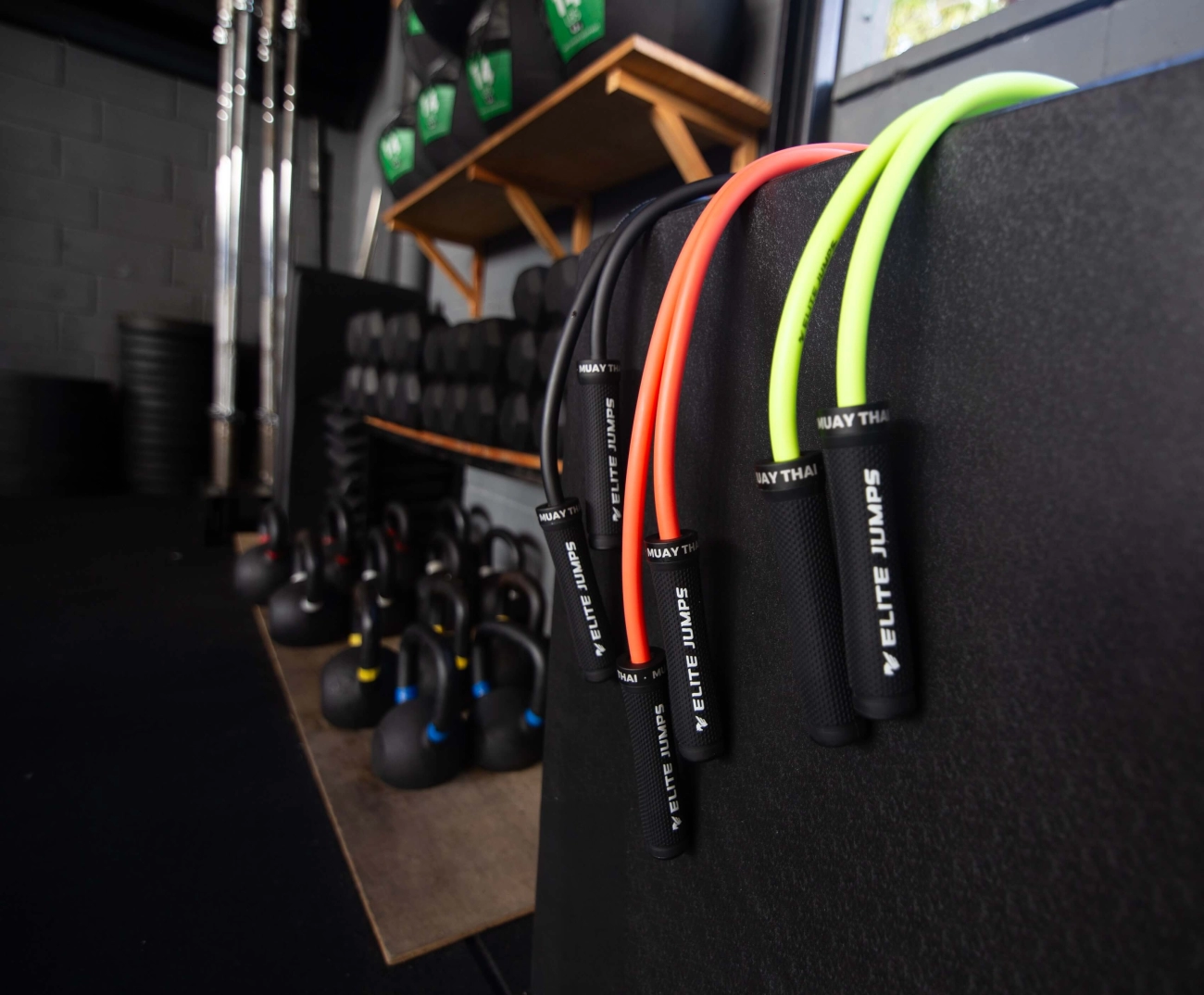
How long you should skip rope really depends on your fitness level, goals, and how your body feels during the workout. Pushing too hard too soon can lead to burnout or injury, while not doing enough won’t bring much benefit. Here’s a quick guide:
Beginners
- Start with 5–10 minutes per session.
- Break it into shorter sets (like 1–2 minutes of skipping, 30 seconds rest).
- Focus on steady pacing and basic jumps before adding variety.
Intermediate
- Aim for 15–20 minutes total.
- Mix in variations like high knees, side swings, or adjustable jump rope work.
- This range helps improve endurance, boost calorie burn, and build stronger coordination.
Advanced
- Go for 20+ minutes or use structured HIIT sessions (e.g., 30 seconds fast jumping, 30 seconds rest, repeat).
- Add double unders, crossovers, or weighted ropes for maximum conditioning.
Intervals vs Continuous Jumping
- Intervals: Great for fat loss, high calorie burn, and keeping intensity high without overloading joints.
- Continuous jumping: Builds steady cardio endurance and rhythm but requires pacing.
Listen to your body
- Stop or slow down if you notice form breaking, heavy breathlessness beyond comfort, or sharp fatigue in calves/ankles.
- Overtraining leads to soreness and burnout; undertraining won’t give results.
For better tracking, here’s a quick chart you can follow:
| Fitness Level | Duration | Style | Goal |
|---|---|---|---|
| Beginner | 5–10 min | Short sets + rest | Learn technique, basic fitness |
| Intermediate | 15–20 min | Mixed variations | Endurance, fat burn |
| Advanced | 20+ min or HIIT | Complex skills + intensity | Peak cardio, conditioning |
If you’re aiming to progress, add 1–2 minutes each week or increase intensity gradually. You can rotate between lighter PVC ropes and heavier options like weighted ropes to match your session length and goals.
Sample Skipping Rope Workout Plans Demonstrating Optimal Durations
Here’s how I break down skipping rope sessions based on experience levels and goals. The right skipping rope workout time matters just as much as technique.
Beginner Plan
- Duration: 5 minutes total skipping, broken into smaller sets
- Structure:
- 1 minute skipping → 30 seconds rest
- Repeat for 5 rounds
- Add-on: Between skipping intervals, mix in bodyweight moves like squats or push-ups to build strength.
- Goal: Build coordination, stamina, and joint comfort before increasing time.
Intermediate Plan
- Duration: About 21 minutes total
- Structure:
- 3 rounds of 7 minutes skipping
- Switch styles—basic bounce, side-to-side, high knees—to keep intensity varied
- Rest 1-2 minutes between rounds
- Goal: Improve cardiovascular endurance and calorie burn while pushing past the beginner stage.
Advanced Plan
- Duration: Around 30 minutes high intensity
- Structure:
- Alternate 1 minute of fast double unders or sprint pace with 30 seconds active rest (light bounce or slow pace)
- Include longer bursts for endurance, shorter bursts for power
- Goal: Peak conditioning, high-level agility, and maximum calorie burn.
Tips for Progression
- Increase total skipping time by 1-2 minutes each week
- Adjust rest breaks down as stamina improves
- Focus on form—if your shoulders tense up or knees ache, scale back
- Mix in steady pace and HIIT-style skipping for the best overall results
Practical Tips to Maximize Skipping Rope Benefits Within Optimal Duration
Getting the most out of your skipping rope workout time isn’t just about how long you jump — it’s about how you approach each session. Here are some practical ways to boost results and avoid injuries.
Warm Up and Cool Down
- Warm up (3–5 min): Light jog in place, arm rolls, and ankle circles to get your joints ready.
- Cool down (3–5 min): Slow-paced skipping or walking, followed by calf, hamstring, and shoulder stretches.
This helps increase blood flow, improve mobility, and lower injury risk.
Maintain Proper Jump Rope Technique
- Keep elbows close to your sides.
- Use wrists for rope rotation, not your shoulders.
- Land softly on the balls of your feet.
- Keep jumps low — 1–2 inches off the ground is enough for speed and control.
Bad form can lead to knee, ankle, or shin strain, especially during long jump rope cardio sessions.
Choose the Right Rope for Your Workout
Selecting the right jump rope can make training more effective:
| Workout Type | Best Rope Choice | Why It Works |
|---|---|---|
| Short, high-speed sessions (HIIT) | PVC speed rope | Lightweight, faster spin |
| Endurance (15+ min sessions) | Beaded rope | Durable, consistent feedback |
| Technique & beginner training | Adjustable rope (PVC or beaded) | Custom fit for better control |
Mix in Cross Training
To balance your fitness and avoid overuse injuries, add:
- Strength training (bodyweight or weights)
- Low-impact cardio (cycling, swimming)
- Mobility work (yoga or stretching)
This combination keeps your muscles balanced and improves performance during skipping rope workouts.
Frequently Asked Questions about Skipping Rope Duration
Can I skip rope for an hour, and is it safe?
Yes, but it’s not for everyone. Skipping rope for an hour is possible if you have advanced fitness, proper technique, and a conditioned cardiovascular system. For most people, especially beginners, that duration can cause muscle fatigue, joint strain, or even overuse injuries. If you want longer sessions, consider breaking it into shorter intervals with rest periods.
How often should I skip rope per week?
For general fitness, 3–5 days a week works well. Beginners may start with 2–3 days to let the body adapt, while experienced jumpers can handle more frequent sessions, as long as they mix in rest or lighter days to prevent overtraining.
What if I get tired before reaching the recommended duration?
Stop and rest when you need to. Quality matters more than pushing through poor form, which can lead to injury. You can start with shorter blocks—like 1–2 minutes of skipping followed by 30–60 seconds of rest—and build your endurance over time.
Does rope skipping duration impact weight loss?
Absolutely. The longer and more intense your skipping workouts are (within safe limits), the more calories you burn, which helps with weight loss. However, keep in mind that results also depend on your overall activity level and diet. Combining rope skipping with a healthy eating plan is the fastest way to see progress.


 English
  Vietnamese
  German