


Understanding Glute Muscles and Their Role
When people talk about a strong lower body, they’re often talking about the glutes—a group of three muscles that power much of your movement. These are:
- Gluteus Maximus – The largest muscle in your body, responsible for hip extension, explosive movements, and giving your butt its shape.
- Gluteus Medius – Located on the side of your hips, this muscle is key for hip stability and side-to-side movement.
- Gluteus Minimus – The smallest of the three, it works with the medius to support hip rotation and balance.
Your glutes aren’t just for looks—they play a huge role in posture, walking, running, jumping, and even protecting your lower back. Weak glutes can lead to poor movement patterns, reduced athletic performance, and a higher risk of injuries in your knees and lower back. Strong glutes, on the other hand, help you:
- Maintain proper alignment when standing and moving.
- Generate more power in sports and workouts.
- Reduce strain on other muscles and joints.
In short, your glutes are your body’s powerhouse, and keeping them strong is essential whether your goal is better performance, fewer injuries, or a more sculpted look.
Does Jump Rope Engage the Glutes

When you jump rope, your lower body does most of the work — but the glutes do play a role. The main muscles fired up are calves, quads, hamstrings, and core, since those are responsible for powering the jumps, keeping balance, and maintaining form. That said, the glutes act as stabilizers, especially the gluteus maximus and gluteus medius, helping keep your hips steady and absorbing some of the landing force.
In standard jump rope form — small, quick jumps on the balls of your feet — glute activation is present but not as intense as in squats or hip thrusts. Fitness studies on plyometric exercises show that the glutes are more engaged when the jump height increases, your knees drive higher, or there’s a forward or lateral movement component. Simple low-bounce jumps mostly keep your glutes in a stabilization role.
How much your glutes work depends on:
- Jump height – Higher jumps require stronger glute push-off.
- Technique – Keeping a slight hinge at the hips and controlled landings activates more glute fibers.
- Intensity – Faster pace or weighted ropes increase lower-body demand.
- Foot variation – Single-leg jumps or directional jumps call the glutes into action for balance.
So, while jump rope isn’t a heavy glute-builder by itself, it does keep them engaged — especially if you tweak your style or add variations.
Can Jump Rope Build and Tone Your Glutes
Jumping rope does work your glutes, but there’s a big difference between muscle activation and muscle hypertrophy (muscle growth). When you jump rope, your glutes engage to help stabilize your hips, absorb impact, and support your posture—but the work is mostly endurance-based, not heavy load training.
How Jump Rope Benefits the Glutes
- Muscular Endurance – Your glutes stay active for long periods, building stamina and control.
- Cardio Fitness – High heart rate workouts help improve overall conditioning, which supports better leg and glute training.
- Fat Burning – Consistent jump rope sessions can help burn body fat, making muscle definition in the glutes more visible.
Limitations for Glute Growth
Jump rope alone won’t create significant glute hypertrophy because it doesn’t provide the heavy resistance or progressive overload needed to grow muscle size. It’s better viewed as a complementary exercise that tones and firms while boosting calorie burn.
| Training Focus | Jump Rope Contribution | What’s Missing for Hypertrophy |
|---|---|---|
| Endurance | High | Resistance overload |
| Toning | Moderate to High | Heavier weight-based work |
| Strength | Low | Progressive resistance training |
Jump Rope Variations That Increase Glute Activation
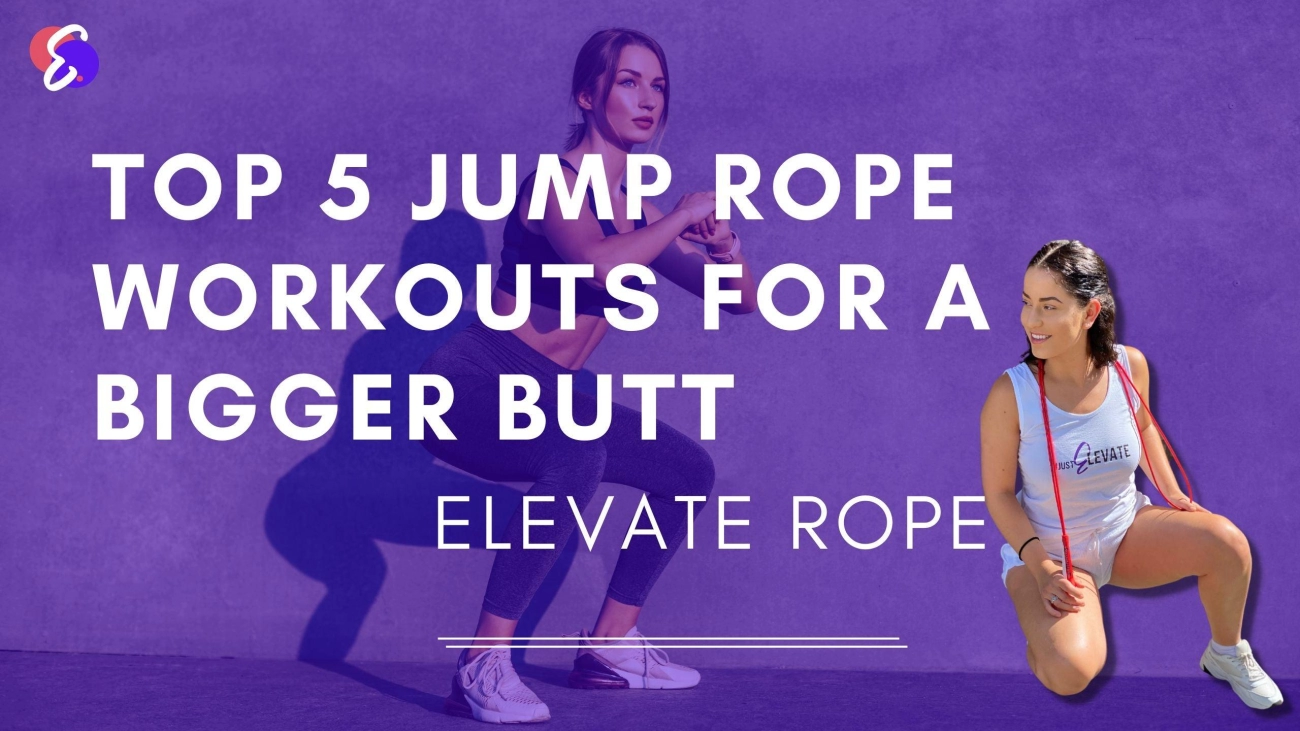
If you want your jump rope sessions to hit the glutes harder, the key is switching up your moves. Standard jumps mostly work the calves and quads, but a few variations bring the glutes into play much more. Here are some of the best options:
1. Single-Leg Jumps
- Jump on one leg at a time, switching every 10–15 seconds.
- This forces your glutes and hip stabilizers to work harder for balance.
- Keep your landing soft to protect your joints.
2. High Knees Jump Rope
- Drive each knee up toward your chest as you rope skip.
- This movement increases hip flexion and also gets the glutes involved to control the motion.
- Aim for quick, controlled jumps at a steady rhythm.
3. Butt Kicks
- Kick your heels toward your glutes with each jump.
- Great for activating the hamstrings and glutes while keeping the heart rate high.
- Stay light on your feet so the movement stays smooth.
4. Side-to-Side Jumps
- Hop laterally over an imaginary line, keeping your feet together or alternating them.
- The side push-off works the glute medius, which helps with hip stability and shape.
How to Incorporate These for Maximum Glute Benefits
- Add 1–2 of these variations into each jump rope session.
- Work in short bursts of 20–40 seconds per variation, then rest for 15–20 seconds.
- Cycle through 3–4 rounds for a quick lower-body burn.
- You can also use a weighted rope like the 1 lb jump rope to boost resistance and muscle engagement.
Mixing these moves with your regular jumps not only challenges the glutes but also makes your workouts more dynamic and effective.
Combining Jump Rope with Glute Specific Exercises
Jump rope is great for calorie burn and conditioning, but if you really want to build and lift your glutes, you need to pair it with strength-focused moves. Resistance training creates the muscle growth (hypertrophy) that cardio alone can’t match.
Best Exercises to Pair With Jump Rope
- Squats – Targets gluteus maximus and quads for overall lower body power.
- Lunges – Great for building balance, single-leg strength, and glute medius activation.
- Hip Thrusts – One of the most effective lifts for isolating and growing the glutes.
- Deadlifts – Works glutes, hamstrings, and lower back for strength and posture.
Sample Jump Rope and Glute Workout
- Jump Rope – 2 minutes at moderate pace
- Squats – 12 reps
- Jump Rope High Knees – 1 minute
- Walking Lunges – 12 steps each leg
- Jump Rope Butt Kicks – 1 minute
- Hip Thrusts – 12 reps
- Jump Rope – 2 minutes fast pace
- Deadlifts – 10 reps
Repeat 2–3 rounds depending on your fitness level.
Progression Tips
- Increase resistance – Add weight to squats, lunges, and hip thrusts as you get stronger.
- Shorten rest times – Keep your heart rate up while still lifting heavy enough for muscle growth.
- Mix jump rope variations – High knees, side hops, and double unders trigger more glute and core engagement.
- Track performance – Aim for gradual increases in jump rope duration and strength training loads.
This combo keeps your workouts balanced—jump rope for fat burning and endurance, weighted exercises for shaping and strengthening your glutes.
Benefits of Using Jump Rope for Lower Body Fitness
Jump rope is more than just a good cardio workout—it hits several areas of lower body fitness that matter if you want stronger, leaner, and more balanced legs and glutes.
Cardiovascular Improvements
- Boosts heart health by keeping your heart rate elevated for extended periods.
- Helps improve endurance, making other workouts feel easier.
Coordination and Balance
- Trains foot speed and timing, which sharpens coordination.
- Improves balance by forcing your body to stay in rhythm while moving.
Calorie Burn and Fat Loss Around the Glutes
- Burns calories fast—around 10–15 calories per minute depending on intensity.
- Supports fat loss to reveal muscle definition in the glute and leg area.
Average Calorie Burn Estimates
| Weight (lbs) | Calories Burned in 10 Min (Moderate Pace) | Calories Burned in 10 Min (High Intensity) |
|---|---|---|
| 125 | ~100 | ~135 |
| 155 | ~124 | ~168 |
| 185 | ~148 | ~202 |
Convenience and Versatility
- Lightweight and portable—use it anywhere, indoors or outdoors.
- Easy to add before, during, or after a workout as a warm-up or finisher.
- Works in short bursts or longer sessions to fit any busy schedule.
Tips for Beginners and How to Select the Best Jump Rope
If you’re new to jump rope training, the first thing to focus on is form and safety. Good technique not only prevents injuries but also helps you get the most out of your workout — whether your goal is cardio, leg strength, or glute activation.
Beginner-Friendly Jump Rope Tips
- Start slow – Begin with short sessions (30–60 seconds) and gradually increase time.
- Use proper form – Keep elbows close to your body, land softly on the balls of your feet, and maintain a slight bend in the knees.
- Wear supportive shoes – This reduces strain on your joints while giving good grip and cushioning.
- Choose a flat surface – Avoid jumping on concrete; opt for rubber flooring, mats, or wooden surfaces.
- Focus on controlled jumps – Small, quick jumps are better than high, exhausting ones for beginners.
Picking the Right Jump Rope
A quality rope makes a big difference in comfort, speed, and durability. When choosing, consider:
- Length – A rope that’s too long or too short can throw off your form. (See our guide on how long your jump rope should be).
- Material – PVC ropes are lightweight and fast for cardio, while beaded ropes give better feedback for beginners.
- Adjustability – An adjustable rope lets you fine-tune length as you improve.
- Handles – Look for ergonomic grips that reduce strain during longer sessions.
JumpRopeSupplier Brand Spotlight
As a leading jump rope manufacturer, we focus on providing ropes that meet fitness needs at every level. Options like our PVC Jump Rope offer durability, smooth rotation, and adjustability — ideal for beginners aiming to build skill and endurance while enjoying a solid, full-body workout.

 English
  Vietnamese
  German