


What Is Jump Rope
Jump rope, also known as skipping rope, is a classic exercise that’s been around for centuries. It started as a children’s playground game but quickly found its place in serious athletic training—especially for boxers, fighters, and athletes who value agility, speed, and conditioning. Today, it’s a go-to workout for both fitness enthusiasts and beginners because it’s effective, affordable, and requires minimal space.
Types of Jump Ropes
Not all jump ropes are the same, and the type you use can impact your workout results:
- Speed Ropes – Lightweight, designed for fast spins and double unders, great for cardio and skill work.
- Weighted Ropes – Add resistance to work your shoulders, arms, and forearms while boosting calorie burn.
- Beaded Ropes – Durable, with visible rotation for learning timing and rhythm, popular in schools and performance jumping.
- PVC Ropes – Versatile and smooth-turning for beginners to advanced users.
- Adjustable Ropes – Length can be customized for different heights, ensuring optimal form.
Primary Fitness Benefits
Jump rope is a full-body workout that delivers impressive results in a short time:
- Cardiovascular Health – Raises heart rate quickly for an efficient cardio session.
- Coordination and Agility – Improves timing, rhythm, and balance.
- High Calorie Burn – Can burn more calories per minute than many other forms of cardio.
- Muscle Engagement – Works calves, quads, glutes, core, shoulders, and arms simultaneously.
- Portability – Easy to carry and use anywhere, making it one of the best cardio exercises at home or on the go.
What Is Rebounding

Rebounding is a type of workout done on a small, personal trampoline, often called a mini-trampoline. Instead of large jumps like you’d do at a trampoline park, rebounding uses controlled bouncing, jogging, or small dynamic movements to get your heart rate up. The surface absorbs much of the impact, making it easier on the joints compared to high-impact exercises like running or hard-surface jumping.
Rebounding first gained traction in the U.S. in the 1980s as a fun alternative to traditional cardio. Today, it’s making a comeback as more people look for low-impact cardio exercises they can do at home. Fitness enthusiasts, seniors, and those recovering from injuries often choose it for its joint-friendly benefits.
Some key fitness benefits of rebounding include:
- Joint protection – The trampoline surface reduces stress on the ankles, knees, and hips.
- Cardiovascular improvement – Helps strengthen the heart and improve endurance.
- Lymphatic system boost – The up-and-down motion supports lymph flow, which helps remove toxins from the body.
- Balance and coordination – The unstable surface engages stabilizing muscles and improves body control.
- Calorie burn – A consistent rebounding workout can burn a similar amount of calories as other moderate cardio exercises.
This makes rebounding a versatile option for people looking for an effective, home-friendly cardio workout without the wear and tear on the body.
Comparing Jump Rope and Rebounding Head to Head
Calorie Burn and Cardiovascular Benefit
Jump rope is one of the most efficient calorie-burners out there — you can torch 10–16 calories a minute if you keep a steady pace. The high-intensity nature makes it great for improving cardiovascular endurance quickly. Rebounding, while generally lower in intensity, can still deliver a solid cardio workout. Expect around 5–8 calories a minute, with the added bonus of being easier to sustain for longer sessions.
Verdict: Jump rope wins for maximum calorie burn in less time, while rebounding offers steady, joint-friendly cardio you can maintain without fatigue setting in too soon.
Impact on Joints and Injury Risk
Jump rope has a higher impact on ankles, knees, and hips because your body absorbs ground contact with every jump. This is not an issue for most healthy adults who use proper form, but it can be tough on folks with joint pain or prior injuries. Rebounding cushions your landing with the trampoline mat, reducing joint stress by up to 80% compared to solid ground.
Verdict: Rebounding is hands-down the safer choice for sensitive joints, while jump rope is fine for those with healthy lower bodies who want intensity.
Muscle Engagement and Full Body Workout
Jump rope heavily engages calves, quads, hamstrings, shoulders, and core — especially if you add variations like double-unders or crossovers. It also improves coordination and agility. Rebounding works leg muscles too but places extra emphasis on stabilizer muscles, balance, and core engagement, making it ideal for improving posture and functional strength.
Verdict: Jump rope hits more explosive power and coordination; rebounding builds steady muscle endurance and balance.
Convenience and Portability
A jump rope fits in your pocket, requires no setup, and can be used almost anywhere with a little clearance overhead. Rebounding needs a mini-trampoline, which takes up about 3–4 feet of space and isn’t as portable.
Verdict: Jump rope wins for portability and on-the-go workouts.
Cost and Accessibility
Quality jump ropes usually range from $10–$40 for standard models like PVC or beaded jump ropes. Rebounding mini-trampolines range from $60–$300, depending on quality.
Verdict: Jump rope is more budget-friendly and accessible to beginners trying home workouts.
Skill Learning Curve and Safety
Jump rope requires timing, rhythm, and coordination that can take a week or two to get comfortable with. Beginners often trip over the rope or strain calves if they do too much too soon. Rebounding has a much shorter learning curve — most people feel confident after a few minutes, though balance can be tricky at first.
Verdict: Rebounding is easier to learn; jump rope rewards skill improvement with more workout options and higher intensity.
Who Should Choose Jump Rope

Jump rope is a solid pick if you want quick, high-intensity workouts without needing much space or gear. It suits people who enjoy fast-paced movements and don’t mind pushing their cardio to the limit. If you’re looking for something portable that burns a lot of calories in a short time, this is it.
Best Scenarios for Jump Rope
- Short on time – Great for 10–20 minute effective workouts.
- Small spaces – Perfect for home, garage, or backyard.
- On the go – Easy to pack for travel and outdoor workouts.
- Budget fitness – Minimal cost compared to other cardio equipment.
Fitness Goals Suited for Jump Rope
| Goal | Why Jump Rope Helps |
|---|---|
| Weight loss | Burns high calories fast — up to 10–15 cal/min based on speed |
| Coordination | Improves rhythm, balance, and footwork over time |
| Speed & agility | Builds quick reaction time and faster foot movement |
| Endurance | Boosts cardiovascular fitness with consistent practice |
Tip: Start slow to avoid shin splints or ankle strain, then gradually increase speed and duration. A quality, adjustable rope makes a big difference in comfort and results.
Who Should Choose Rebounding

Rebounding — or mini-trampoline workouts — is ideal if you need a low-impact cardio option that’s still effective. It’s gentle on the joints, making it a go-to choice for people who can’t handle high-impact moves like running or jump rope.
Here’s who benefits most from rebounding:
| Best For | Why It Works |
|---|---|
| Seniors | Boosts balance and circulation without stressing knees or hips |
| Injury recovery | Gentle movement supports rehab while keeping the heart active |
| Joint pain sufferers | Less impact on ankles, knees, and lower back |
| Lymphatic health | Light bouncing stimulates lymph flow for detox support |
| Beginners | Simple to learn and easy to adjust intensity |
| Active rest days | Keeps blood flowing without overtraining |
Rebounding is also great for lymphatic system support — the bouncing motion helps your body flush out toxins and improves circulation. If you’re looking for workout variety, it’s a fun way to get your cardio in without pounding the pavement or floor.
It’s popular among home fitness users in the U.S. because it fits in small spaces, doesn’t need much setup, and works well for people who want efficient exercise without joint pain.
Combining Jump Rope and Rebounding in Your Fitness Routine
Mixing jump rope and rebounding can give you the best of both worlds—high-intensity calorie burn with jump rope and joint-friendly cardio from rebounding. Alternating between the two keeps workouts interesting and prevents overuse injuries. It also helps you train different muscle groups while balancing high-impact and low-impact movements.
Why Use Both
- Variety – Switching between rope and trampoline keeps workouts fresh.
- Balanced Impact – Jump rope builds explosive power; rebounding offers active recovery for joints.
- Better Conditioning – The combo targets endurance, coordination, agility, and lymphatic health.
- Adaptability – You can adjust time and intensity for beginner or advanced levels.
Sample Combo Workout
Here’s a simple 20–25 minute workout you can try at home:
- Warm-up – 2 minutes gentle rebounding bounces
- Jump Rope – 1 minute fast-paced skipping
- Rebound – 1 minute moderate jumps
- Jump Rope – 1 minute single leg hops (switch legs halfway)
- Rebound – 1 minute twisting jumps for core
- Repeat cycle 3–5 times
- Cool-down – 2 minutes light rebounding and stretching
If you need a quality rope that’s comfortable, durable, and right for your height, you can check out options like the EVO Jump Rope or adjustable models from JumpRopeSupplier.
Choosing Quality Equipment from JumpRopeSupplier
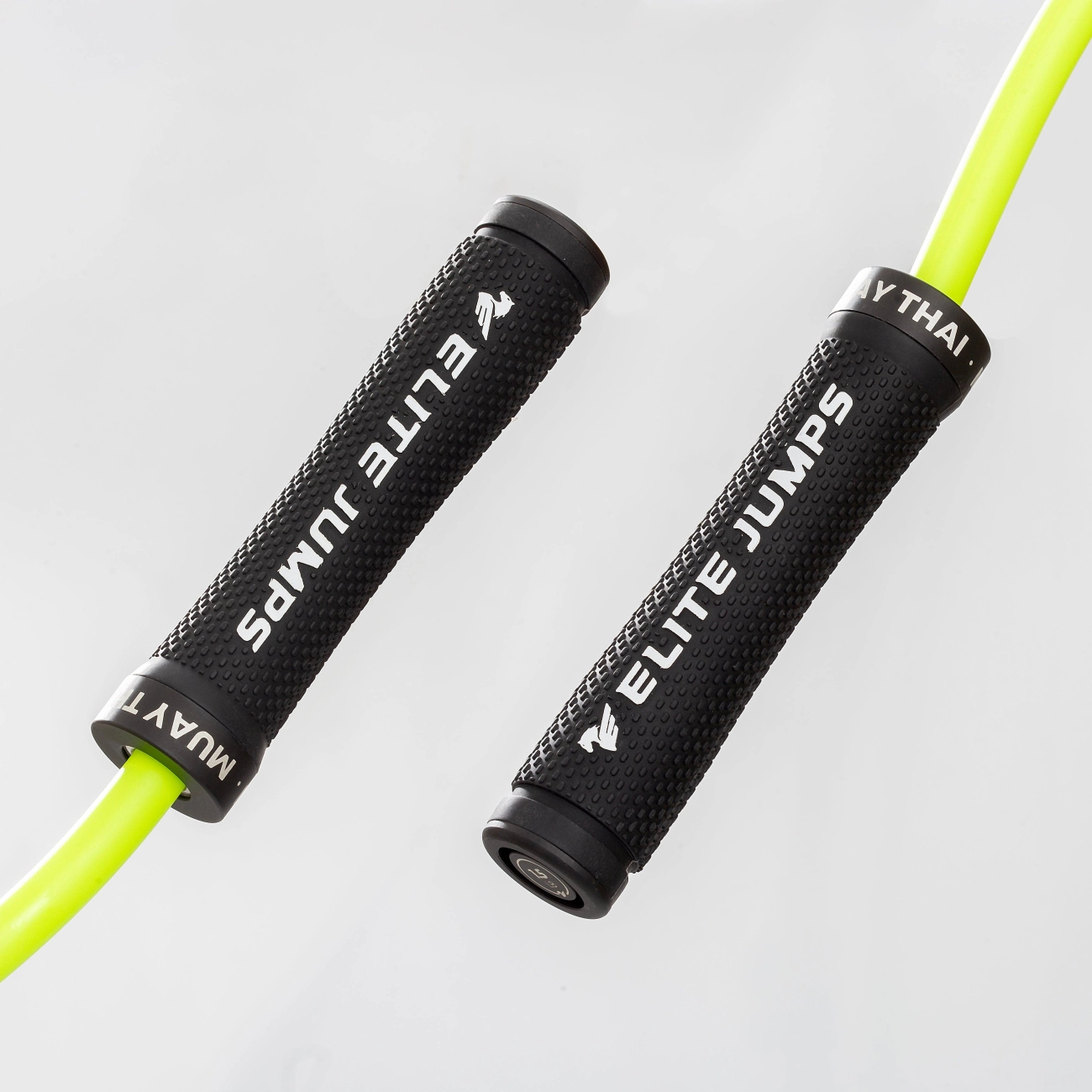
When it comes to jump rope training, the quality of your rope makes a big difference in both results and safety. A poorly made rope can tangle, wear out fast, or strain your wrists, while a well-built rope gives you smooth rotation, consistent speed, and better control. That means less frustration, fewer injuries, and a more effective workout.
At JumpRopeSupplier, we manufacture and supply a wide range of ropes to match different training styles and fitness goals. Our lineup includes:
- PVC Jump Ropes for everyday cardio and general fitness
- Beaded Jump Ropes for rhythm, durability, and beginner ease
- Speed Ropes for quick rotations and high-intensity workouts
- Weighted Jump Ropes to build strength and endurance
- Adjustable Length Models so you can get the perfect fit without cutting or replacing
- OEM/ODM Options for gyms, sports teams, and retailers
Tips for choosing the right jump rope:
- Match the rope type to your goal – speed ropes for performance, beaded for skill work, weighted for strength.
- Get the right length – stand on the middle of the rope; handles should reach armpit height.
- Look for comfortable, non-slip handles – especially important for longer workouts.
- Choose durable materials – PVC for indoor use, beaded ropes for outdoor surfaces.
Having the right jump rope from the start makes the learning curve shorter, the workouts more enjoyable, and the progress faster.
FAQ Section
Can rebounding replace jump rope for cardio?
It depends on your fitness goals. Both give you a solid cardio workout, but they work your body in different ways. Jump rope is generally higher intensity and burns more calories in less time, making it great for improving endurance and coordination. Rebounding is lower impact, easier on the joints, and better for those who need something gentler, but it may require longer sessions to match the calorie burn of jump rope. If joint safety is your top priority, rebounding can be a good swap. If you want maximum calorie burn and a challenge, stick with jump rope.
Is jump rope bad for knees?
Not for everyone. Jump rope can put stress on your knees if you have pre-existing joint problems or use poor form. The key is jumping on softer surfaces, keeping your landings light, and wearing supportive shoes. Using a quality rope that matches your height — like an adjustable jump rope — can help maintain proper technique. If you feel knee pain, switch to low-impact options like rebounding until your knees strengthen.
How often should I do jump rope or rebounding workouts?
For most people, 3–5 sessions a week of either jump rope or rebounding is a solid start. Jump rope sessions can be shorter (10–20 minutes) because of the higher intensity, while rebounding might be 20–30 minutes or more for a similar cardio benefit. You can also mix the two — for example, jump rope twice a week for intensity, and rebound two to three times for low-impact recovery cardio.


 English
  Vietnamese
  German