


Overview of Jump Rope Workouts
Jump rope workouts are a simple yet powerful cardio exercise that involves repeatedly jumping over a rotating rope. It can be done almost anywhere, requires minimal equipment, and offers both aerobic and anaerobic benefits. Whether you’re after quick calorie burn, better agility, or a fun way to stay fit, jump rope delivers.
Types of Jump Ropes and Their Uses
- Speed Ropes – Lightweight, built for fast rotations, great for improving cardiovascular fitness and timing.
- Weighted Ropes – Add resistance for building strength and endurance.
- Adjustable Ropes – Customizable length, suitable for all heights and skill levels.
- Beaded Ropes – Durable and tangle-free, ideal for beginners and outdoor use.
Calories Burned and Intensity
Jump rope is one of the highest calorie-burning cardio exercises.
| Duration | Calories Burned* | Intensity |
|———-|—————–|———–|
| 10 min | 100–160 | High |
| 30 min | 300–480 | High |
*Estimates based on a 155–185 lb adult.
Benefits at a Glance
- Portable and space-saving – Fits in a bag, use anywhere.
- Full-body workout – Engages legs, core, shoulders, and arms.
- Improves coordination and agility – Great for athletes and functional fitness.
- Supports bone health – Weight-bearing impact strengthens bones.
- Scalable intensity – From easy beginner hops to advanced double unders.
Suitable for
- Busy individuals who want quick, effective workouts.
- Frequent travelers needing portable cardio equipment.
- Athletes aiming to boost footwork, speed, and endurance.
- Fitness beginners and pros who want a low-cost, high-return workout.
Overview of Treadmill Workouts
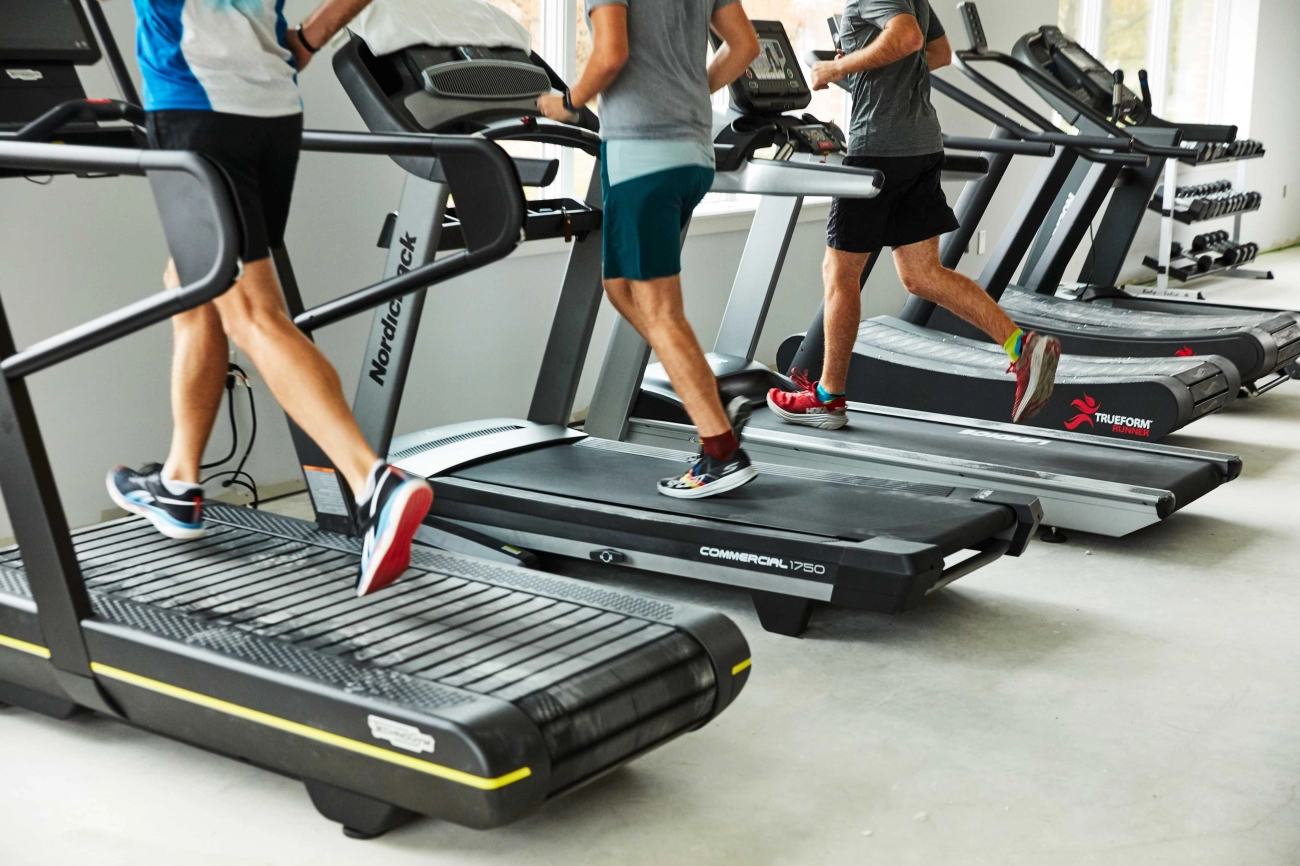
Treadmill workouts are one of the most common indoor cardio options in U.S. homes and gyms. You can walk, jog, or run at a set pace without worrying about weather or terrain. Most treadmills offer preset programs like fat burn, intervals, hill climbs, and endurance runs, making them adaptable for different fitness goals.
Types of Treadmills
- Manual – Powered by your own movement, simple design, lower cost, but usually harder to maintain a fast pace.
- Motorized – Runs with an electric motor, adjustable speed and incline, often includes workout programs and heart rate features.
Calories Burned and Intensity
Calorie burn depends on speed, incline, and body weight. On average:
| Body Weight | Walking (3.5 mph) | Running (6 mph) |
|————-|——————-|—————–|
| 125 lbs | ~240 kcal/hour | ~600 kcal/hour |
| 155 lbs | ~300 kcal/hour | ~744 kcal/hour |
| 185 lbs | ~355 kcal/hour | ~888 kcal/hour |
Increasing incline boosts calorie burn and targets different muscles.
Benefits
- Custom Workouts – Adjust speed and incline exactly to your fitness level.
- Heart Rate Monitoring – Built-in sensors help you train in the right zone.
- Safe Indoor Running – No traffic, no poor weather.
- Joint Control – Cushioned running decks can be easier on joints than concrete.
Suitable For
- People who enjoy steady-state running or walking.
- Beginners needing a controlled pace.
- Those recovering from injuries needing low-impact cardio.
- Runners training in areas with bad weather.
Side by Side Comparison Jump Rope vs Treadmill
Here’s how jump rope and treadmill workouts stack up against each other so you can pick what works best for your routine.
Calorie Burn and Weight Loss Efficiency
- Jump Rope: Burns about 10–16 calories per minute depending on speed and intensity. A quick HIIT session can outpace steady treadmill jogging for calorie burn in the same time.
- Treadmill: Burns 8–12 calories per minute for running, less for walking. Works better for longer steady-state sessions.
Impact on Joints and Injury Risk
- Jump Rope: Higher impact than walking but can be joint-friendly with proper form, good shoes, and softer surfaces.
- Treadmill: Motorized treadmills offer cushioned belts that reduce joint stress, especially compared to running outdoors.
Muscle Engagement and Full Body Workout Potential
- Jump Rope: Engages legs, core, arms, and shoulders for a full-body workout, while improving coordination.
- Treadmill: Primarily targets lower body and cardio endurance. Upper body engagement is minimal unless adding weights.
Cost and Accessibility
- Jump Rope: $10–$40 for quality ropes. Extremely affordable and easy to buy anywhere.
- Treadmill: $500–$2,500+ for quality units. Bigger investment and may require financing.
Space and Portability
- Jump Rope: Fits in a backpack or carry-on. Needs only about 4×6 ft of clear space.
- Treadmill: Requires a dedicated spot, often 6–7 ft long and heavy to move.
Workout Variety and Customization
- Jump Rope: Vary styles, speed, and tricks. Great for intervals but limited long steady cardio.
- Treadmill: Multiple modes, programmable workouts, incline, and speed settings for varied training.
Suitability for Beginners vs Advanced Users
- Jump Rope: Beginners need short sessions to build skill; advanced users can do complex moves and higher speeds.
- Treadmill: Easy for beginners to start at low intensity; advanced runners can increase incline or speed for challenges.
Weather and Environmental Considerations
- Jump Rope: Can be done indoors or outdoors; best with enough clearance.
- Treadmill: Indoors only but unaffected by weather.
| Factor | Jump Rope | Treadmill |
|---|---|---|
| Calorie Burn | High per minute | Moderate to high |
| Impact on Joints | Medium | Low to medium |
| Muscle Engagement | Full body | Lower body focus |
| Cost | Low | High |
| Portability | High | Low |
| Workout Variety | Moderate | High |
| Beginner Friendly | Moderate | High |
| Weather Proof | Yes (indoors) | Yes (indoors) |
When to Choose Jump Rope Over Treadmill
Jump rope makes sense over a treadmill in a few specific situations, especially if you want a simple, portable, and budget-friendly way to do cardio.
Best Situations for Jump Rope
| Situation | Why Jump Rope Works Best |
|---|---|
| Limited space | Takes up almost no room. You can work out in your bedroom, garage, or hotel room. |
| Frequent traveler | Lightweight and fits in any bag. Perfect for keeping your workouts going on the road. |
| Quick, high-intensity workouts | Just 10–15 minutes can get your heart rate up like a longer treadmill session. |
| Focus on agility, speed, coordination | Ideal for improving footwork and timing — great for athletes or anyone wanting better movement control. |
| Budget friendly | Quality ropes cost far less than treadmills, with no electricity or maintenance costs. |
If you pick the right type of rope, you can match your workout goals — for example, a beaded skipping rope for control and rhythm, or a speed rope for faster, calorie-burning sessions.
When to Choose Treadmill Over Jump Rope
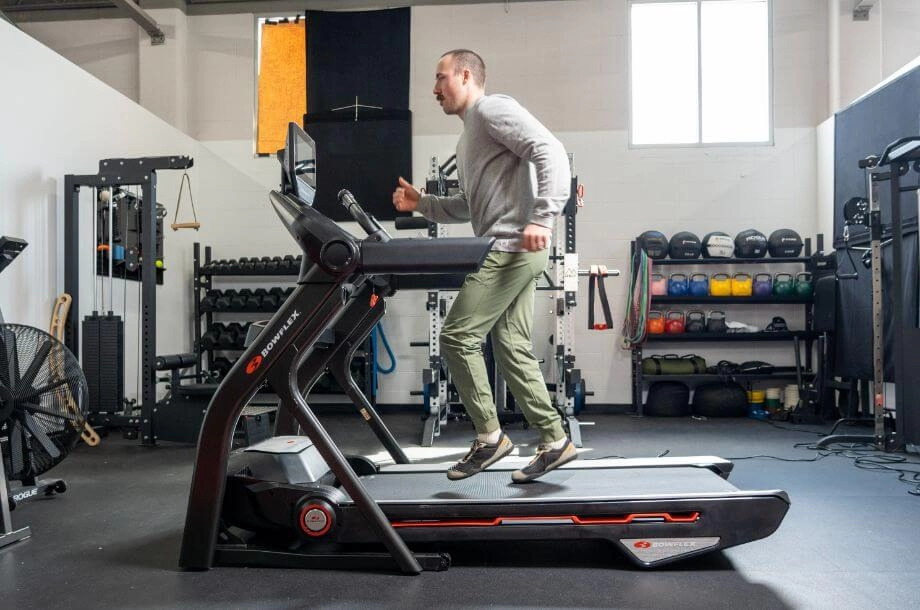
A treadmill can be the better pick if your body or workout style calls for low impact cardio or longer, steady exercise sessions. Unlike jump rope—where every landing sends quick impact through your joints—a treadmill (especially cushioned models) reduces stress on knees, hips, and ankles. This makes it a good match for people with joint pain, osteoporosis concerns, or who are recovering from certain injuries.
It’s also the clear choice if you prefer steady state running or walking over short, high-intensity bursts. Many treadmills let you lock in a pace and incline, letting you zone out or watch TV while still getting your miles in.
Another plus is workout variety. Treadmills often come with built-in programs, heart rate tracking, and the option to simulate hills, intervals, or long runs without worrying about weather.
Best for:
| Situation | Why Treadmill Works Best |
|———–|————————–|
| Low impact needed | Cushioned belt reduces joint stress |
| Long, steady workouts | Easy to maintain speed & incline |
| Joint or bone issues | Safer for arthritis, osteoporosis |
| Wanting tracking features | Heart rate monitor, calories, distance, and pre-set programs |
| Indoors year-round | No weather or daylight concerns |
If steady, controlled workouts are your style—or your body needs something gentler—this machine fits the bill better than a jump rope.
Tips for Getting Started with Jump Rope Workouts

Choosing the Right Jump Rope
The type of jump rope you pick can make or break your workouts. Here’s what to look for:
- Adjustable ropes – Ideal if you’re new or still fine-tuning your technique.
- Speed ropes – Best for fast-paced cardio and improving footwork.
- Weighted ropes – Good for adding strength training to your cardio.
When sizing, stand on the center of the rope and pull the handles upward—the ends should reach your armpits.
Basic Techniques and Progression
Start with the basics before moving into advanced tricks:
- Basic bounce – Jump with both feet together, small hops, and relaxed shoulders.
- Alternate foot step – Run in place with the rope passing under each step.
- High knees – Boosts intensity and calorie burn.
Once you’ve mastered rhythm and timing, add variations like crisscross or double unders for extra challenge.
Safety and Warm-Up Tips
Jumping rope works the whole body but puts stress on your joints, so warm up first:
- 3–5 minutes of light jogging or marching in place.
- Dynamic stretches for calves, ankles, and shoulders.
- Jump on a shock-absorbing surface like a gym mat or wooden floor to reduce impact.
Sample Beginner Workout
- Warm-up: 3 minutes of light jogging or dynamic moves.
- Round 1: 30 seconds basic bounce, 30 seconds rest (repeat 5 times).
- Round 2: 20 seconds high knees, 40 seconds rest (repeat 3 times).
- Cool down: Light jumps or walking in place for 2 minutes + stretching.
This simple routine takes about 15 minutes and still delivers a solid cardio boost.
Tips for Maximizing Your Treadmill Workouts
If you’re going to spend time on a treadmill, make it count. A few tweaks in how you set up your sessions can help you burn more calories, improve endurance, and keep your workouts from getting boring.
Structure Your Sessions
- Warm up for 5 minutes at a comfortable walking pace.
- Main workout: Split into focused segments — intervals, steady state, or mixed.
- Cool down for 3–5 minutes at an easy pace to help recovery.
Interval Training vs Steady State
- Interval Training: Alternate short bursts of high speed (30–90 seconds) with recovery walks/jogs. Great for fat loss and conditioning.
- Steady State: Keep a moderate pace for 20–40 minutes. Best for building endurance and maintaining an easy-to-follow routine.
Many people switch between the two during the week — intervals for cardio power, steady state for stamina.
Use Incline and Speed Settings
- Incline: Even a 2–3% incline feels like outdoor running and boosts calorie burn without much extra impact on the joints.
- Hill workouts: Use higher inclines for short periods to build leg strength.
- Speed changes: Mix up your pace — a few faster bursts will challenge your heart and avoid plateaus.
Tip: If running bothers your knees, try walking briskly on a higher incline. You can get the same cardiovascular benefits with less pounding.
Combining Jump Rope and Treadmill for Optimal Fitness
Using both jump rope and treadmill in your workout routine can give you the best of both worlds. Jump rope delivers quick, high-intensity bursts that work your whole body, while the treadmill is great for steady-state cardio and low-impact endurance sessions. Mixing the two keeps your training balanced and helps prevent burnout.
How to Combine Them
- Warm-up with jump rope – 3–5 minutes to get your heart rate up and muscles ready.
- Main cardio on the treadmill – 20–40 minutes of steady running, jogging, or incline walking.
- HIIT finisher with jump rope – Short intervals like 30 seconds on, 30 seconds off for 5–10 minutes.
- Alternate days – Use jump rope for speed and agility one day, treadmill for longer endurance the next.
Cross Training Benefits
- Works different muscle groups and movement patterns
- Improves cardiovascular health in both short bursts and long durations
- Reduces risk of overuse injuries from doing just one form of cardio
- Keeps workouts fresh and mentally engaging
- Meets multiple fitness goals—weight loss, stamina, coordination, and joint health
By combining them, you get a more versatile and effective routine without adding a lot of extra equipment or cost.
FAQ Section
How many calories can I burn jumping rope vs treadmill
On average, jumping rope burns 10–16 calories per minute depending on your speed, weight, and skill level. A moderate treadmill run burns about 8–12 calories per minute. For quick, intense calorie burn, jump rope usually wins, but treadmill workouts make it easier to maintain longer sessions.
Is jumping rope bad for knees
Jumping rope is a higher-impact exercise than walking or treadmill jogging, so if you have knee issues, it may not be the best choice. That said, using proper form, cushioned shoes, and softer surfaces (wood floor, gym mat) can help reduce stress on your joints.
Can jump rope replace treadmill cardio
It can, depending on your goals. Jump rope offers a full-body, high-intensity cardio option that can replace treadmill workouts for calorie burn and endurance. However, if you prefer low-impact, steady-state cardio or longer workout times, a treadmill may be the better pick.
What is the cheapest option for cardio workouts
Jump rope easily wins here. A quality jump rope costs under $20, takes up almost no space, and can be used anywhere. A treadmill, even an entry-level model, is a much bigger investment and requires more space.


 English
  Vietnamese
  German