


What is Skipping
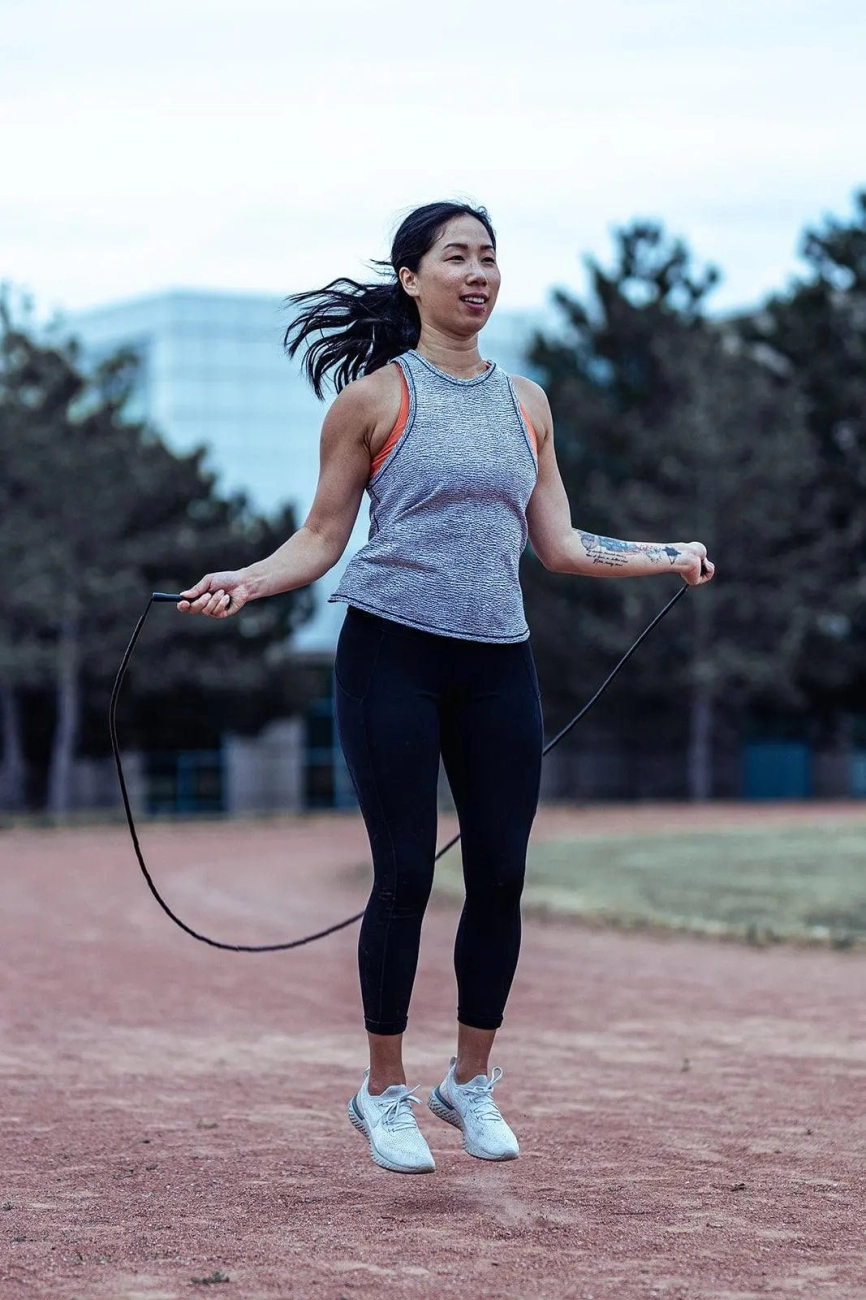
Skipping, also known as jump rope exercise, is a simple yet highly effective fitness activity where you jump over a rotating rope, usually swung over your head and under your feet. While it’s often linked to childhood play, skipping has a long history in sports training, particularly in boxing, martial arts, and athletic conditioning. Today, it’s widely used for cardio, endurance, and full-body muscle engagement.
There are different skipping techniques, each changing how your muscles work:
- Basic Jump – A two-footed jump at a steady pace. Focuses heavily on calves, quads, and core stability.
- Alternate Foot Step – Mimics a jogging motion. Reduces calf strain and adds more engagement to hip flexors and hamstrings.
- High Knees – Drives knees higher toward the chest. Increases activation in core muscles, quads, and hip flexors.
- Double Unders – The rope passes under your feet twice in one jump. Requires explosive power from calves, glutes, and core while adding shoulder and arm endurance.
By switching techniques, you can target slightly different muscle groups, boost calorie burn, and improve coordination all at once.
Primary Muscle Groups Worked by Skipping
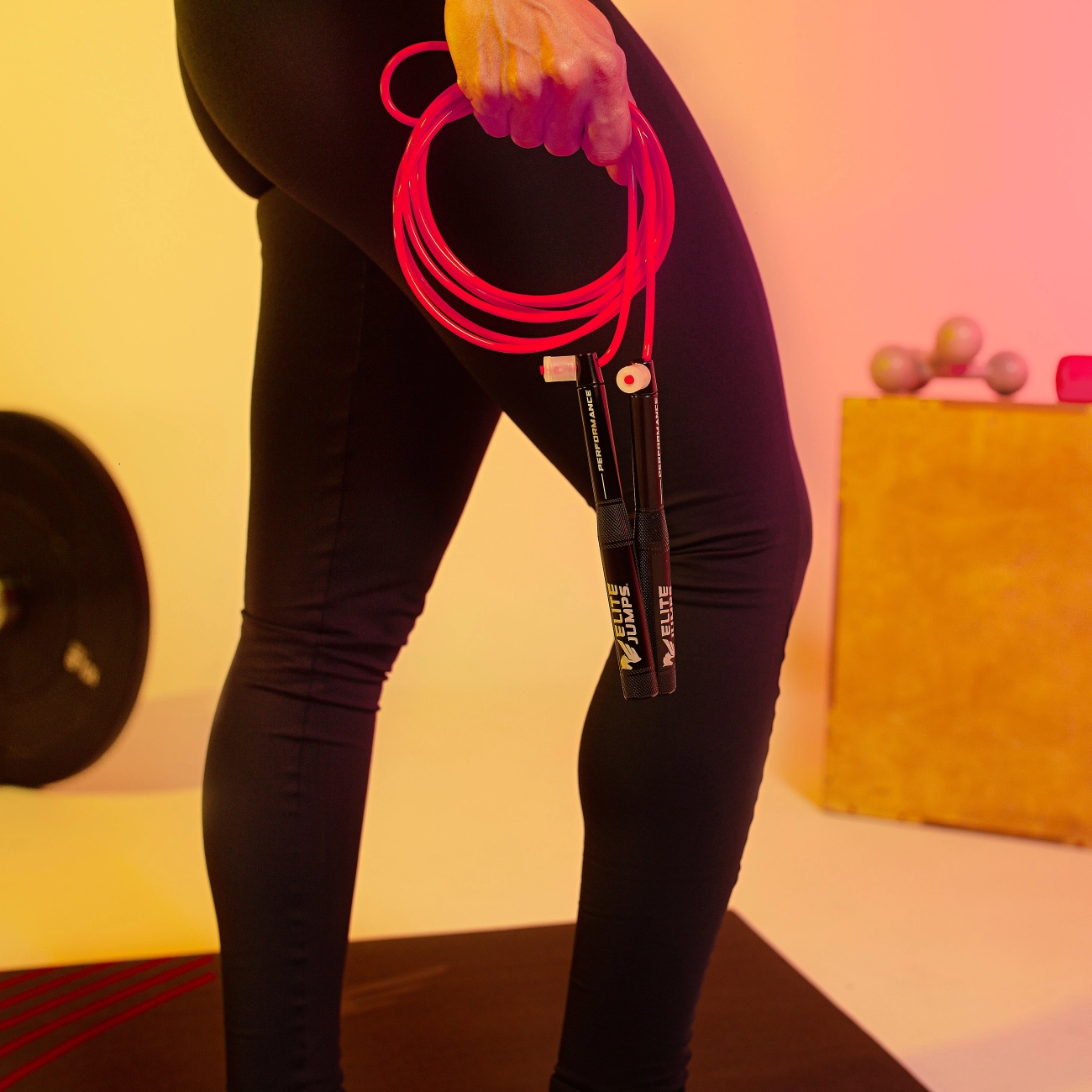
Skipping might look simple, but it’s a powerful full-body move that hits several major muscle groups at once. Here’s where you’ll feel it most:
- Calves (Gastrocnemius and Soleus) – These are your main push-off muscles. Every jump relies on them to propel you off the ground and absorb impact when you land.
- Quadriceps – Located at the front of your thighs, they fire up to extend your knees during take-off and help control your landing.
- Hamstrings – These muscles in the back of your thighs work to bend your knees and stabilize your legs while you jump.
- Gluteus Maximus – Your glutes add power to each jump and help keep your body upright and aligned.
- Core Muscles (Abs, Obliques, Lower Back) – Your midsection stays engaged the whole time, giving you better balance, body control, and stability with every turn of the rope.
Skipping isn’t just cardio—it’s a lower body and core workout in one, making it one of the most time-efficient ways to build strength and endurance.
Supporting Muscle Groups Activated
When you’re skipping, it’s not just your legs putting in the work — your upper body and core play a big role in keeping things smooth and controlled. Here’s how:
- Forearms and Wrists – These muscles manage the rope’s rotation. Steady, controlled wrist movements keep the rope spinning without wasting energy in your arms.
- Shoulders (Deltoids) – Your shoulders keep the rope stable and guide its movement. This constant, small rotation builds shoulder endurance over time.
- Upper Back (Trapezius, Rhomboids) – These back muscles help keep your posture upright and balanced. Good form prevents slouching and improves rope control.
- Hip Flexors – Located at the front of your hips, these muscles lift your knees during higher jumps or variations like high knees and double unders.
Muscle Engagement by Skipping Intensity and Variation
The way you skip makes a big difference in which muscles get the most work. By changing speed, style, or intensity, you can shift the focus to certain muscle groups.
High-Intensity Interval Skipping (HIIT)
- Short bursts of fast skipping with rest in between.
- Pushes your calves, quads, glutes, and core hard.
- Burns more calories, builds explosive power, and tones the legs quickly.
Endurance Skipping
- Steady pace for 10–20+ minutes.
- Works lower legs and core continuously for stamina.
- Strengthens stabilizing muscles like the hamstrings and lower back.
Speed Jumping
- Quick rotations with smaller jumps.
- Heavy use of calves, forearms, and shoulders for rope control.
- Great for agility, foot speed, and coordination.
Jump Variations and Muscle Focus
- High Knees: Turns skipping into a cardio + core workout. Targets abs, hip flexors, and quads.
- Double Unders: More height and rope speed, hitting glutes, calves, and core for power and timing.
- Alternate Foot Step: Lower calf strain, better for endurance, still works quads and hamstrings.
Example Workout:
- 1 min basic jump → 30 sec rest
- 1 min high knees → 30 sec rest
- 1 min speed jumps → 30 sec rest
- 1 min double unders → 1 min rest
Repeat 3–4 rounds for a full legs and core workout.
Benefits of Skipping for Muscle Development
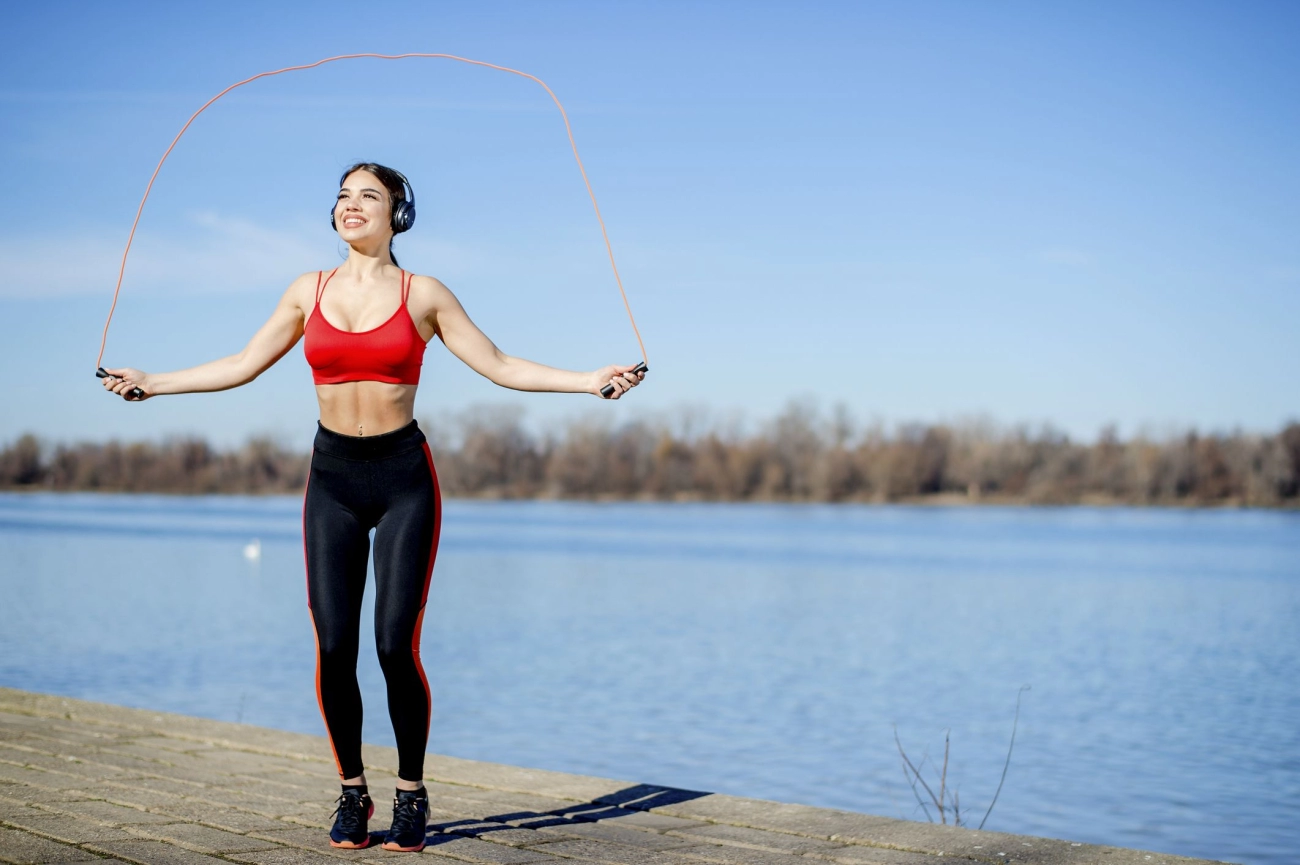
Skipping isn’t just cardio — it’s a full-body workout that builds strength and tones muscle at the same time. Here’s how it helps:
Muscle Toning and Endurance
- Works your calves, quads, hamstrings, glutes, and core in every jump.
- Constant movement keeps muscles under tension, improving tone.
- Builds muscular endurance so your legs and core can work longer without fatigue.
Better Coordination and Balance
- Rope timing trains hand-eye-foot coordination.
- Core engagement keeps your body stable and aligned.
- Regular practice improves body control for sports and daily activities.
Low-Impact Cardio with Strength Benefits
- Softer landings than jogging when done with proper form.
- Burns calories while strengthening lower body and stabilizer muscles.
- Skipping styles (like high knees or double unders) add resistance-like benefits without weights.
| Benefit | How Skipping Delivers It |
|---|---|
| Muscle Toning | Full lower-body activation in each jump |
| Endurance | Sustained movement builds stamina |
| Coordination & Balance | Timing foot strikes with rope rotations |
| Low-Impact Strength | Cushioning from proper footwork reduces stress |
Tips to Maximize Muscle Engagement When Skipping

If you want to get the most muscle activation out of your skipping sessions, the right technique, gear, and prep make all the difference. Here’s how to make every jump count:
Focus on Proper Technique and Posture
- Keep your head up, shoulders relaxed, and core tight for stability.
- Jump on the balls of your feet, keeping jumps low to reduce impact and maintain speed.
- Keep elbows close to your sides and rotate the rope from your wrists—not your whole arms.
Pick the Right Jump Rope from JumpRopeSupplier
The rope you choose can change how your muscles work and how long you can skip without fatigue:
- Material – PVC ropes are great for speed and cardio, while beaded ropes add resistance for more upper body engagement.
- Weight – Heavier ropes work your forearms, shoulders, and core harder; lighter ropes are ideal for quick, high-rep sessions.
- Length – The correct length keeps form sharp. When standing on the center of the rope, handles should reach your armpits.
Warm Up and Cool Down Every Time
Prepping and recovering your muscles will help you skip longer, avoid injuries, and improve performance:
- Warm-up – 3–5 minutes of light jogging, dynamic stretches, or shadow jumping to get blood flowing.
- Cool-down – Slow skipping for 1–2 minutes, followed by calf, hamstring, and hip stretches to loosen tight muscles.
Using the right technique, rope, and prep routine turns skipping into a full-body workout that hits your calves, quads, glutes, core, and upper body all at once. With the right gear from JumpRopeSupplier, every jump can build strength and endurance more effectively.
Common Mistakes That Reduce Muscle Activation
When you’re skipping, small mistakes in form or setup can keep your muscles from working the way they should — and can even lead to injury. Here are some common issues to watch for:
Poor posture
- Hunching your shoulders or leaning forward shifts the work away from your core and glutes.
- Keep your chest up, shoulders relaxed, and engage your abs to get full muscle activation.
Incorrect rope length and grip
- A rope that’s too long or too short changes your jump rhythm and limits your range of motion, which reduces muscle involvement.
- Stand on the center of the rope — the handles should reach about to your armpits.
- Keep a relaxed grip and rotate from your wrists, not your elbows, to engage your forearms and shoulders properly.
Overuse and injury prevention
- Skipping every day without rest can stress your calves, shins, and joints.
- Give your muscles at least 24–48 hours to recover if you’re doing high-intensity jump rope workouts.
- Mix in low-impact cardio or stretching on rest days to stay active without overloading the same muscle groups.
Why Choose JumpRopeSupplier for Your Skipping Workout
At JumpRopeSupplier, we design and manufacture jump ropes that are built to engage muscles effectively and last through daily use. Our ropes are tested for durability, balance, and smooth rotation, so every workout hits the calves, quads, glutes, core, and upper body just right.
Product Quality That Delivers
- Material options: PVC, beaded, adjustable – all made for consistent swing and control
- Balanced weight: Keeps wrist and forearm engagement without causing fatigue
- Custom length: Sized for your height to improve rope clearance and posture
| Feature | Benefit for Muscle Engagement |
|---|---|
| Weighted handles | Stronger grip, forearm activation |
| Smooth bearings | Consistent rotation for better rhythm |
| Durable cable | Withstands high-intensity skipping |
Real Results From Our Customers
- “I’ve used mine for 6 months—core and legs feel stronger, and cardio has never been better.” – Chris M., California
- “The adjustable rope made all the difference for my form. My jumps are smoother, and my shoulders don’t tire out as fast.” – Dana R., Texas
Support and Customization
- OEM/ODM services for gyms, trainers, and sports brands
- Custom branding and handle designs for a unique look
- Fast U.S. customer support with quick replacements if needed
With the right rope from JumpRopeSupplier, your skipping workout can hit every major muscle group while feeling smooth, efficient, and customized to your style.
 English
  Vietnamese
  German